
Professional Golf
A brief introduction
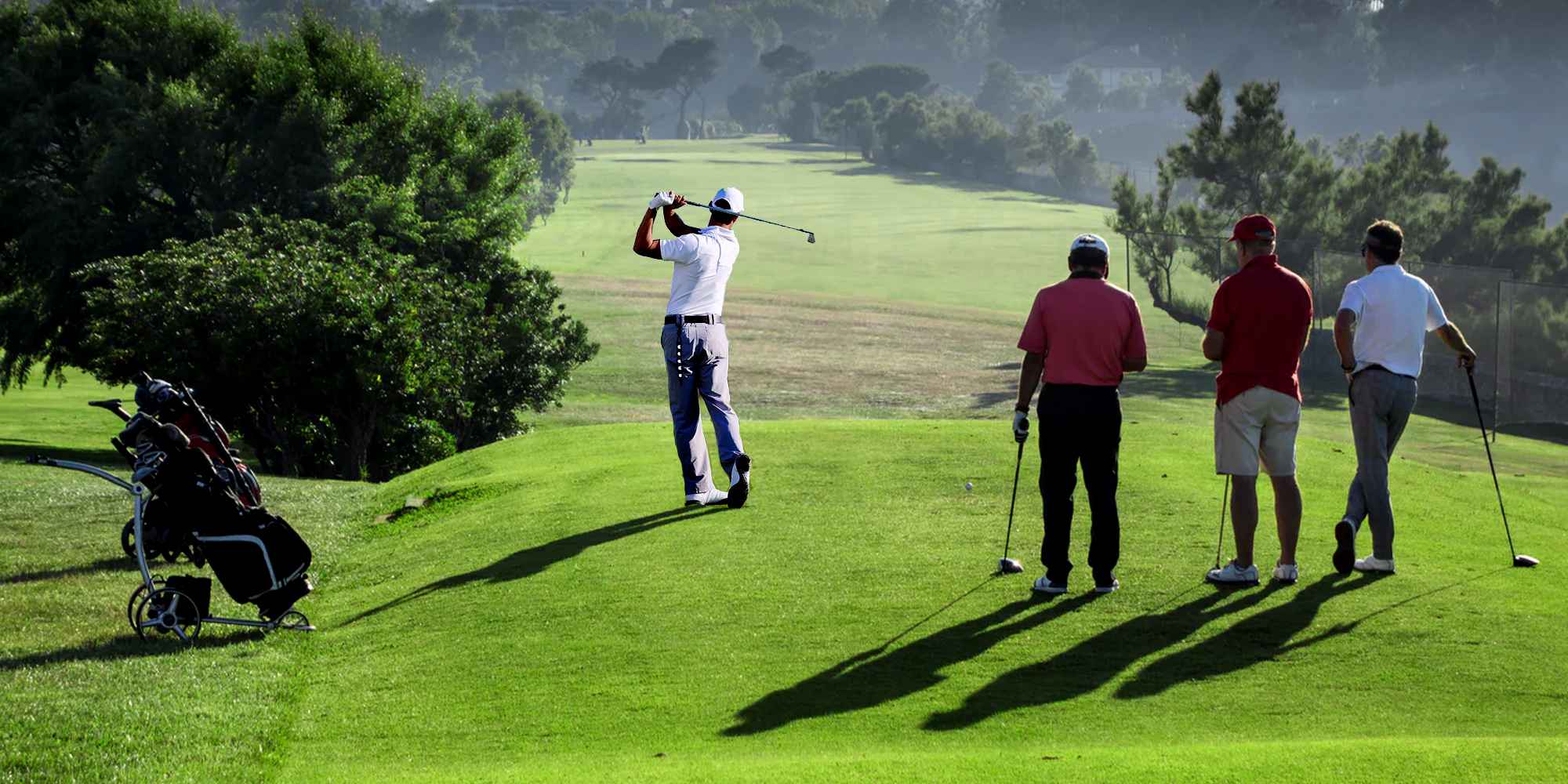
The golf swing is outwardly similar to many other motions involving swinging a tool or playing implement, such as an axe or a baseball bat. However, uThe majority of professional golfers work as club or teaching professionals ("pros"), and only compete in local competitions. A small elite of professional golfers are "tournament pros" who compete full-time on international "tours". Many club and teaching professionals working in the golf industry start as caddies or with a general interest in the game, finding employment at golf courses and eventually moving on to certifications in their chosen profession. These programs include independent institutions and universities, and those that eventually lead to a Class A golf professional certification. Touring professionals typically start as amateur players, who attain their "pro" status after success in major tournaments that win them either prize money and/or notice from corporate sponsors. Jack Nicklaus, for example, gained widespread notice by finishing second in the 1960 U.S. Open to champion Arnold Palmer, with a 72-hole score of 282 (the best score to date in that tournament by an amateur). He played one more amateur year in 1961, winning that year's U.S. Amateur Championship, before turning pro in 1962.
Instruction
Golf instruction involves the teaching and learning of the game of golf. Proficiency in teaching golf instruction requires not only technical and physical ability but also knowledge of the rules and etiquette of the game. In some countries, golf instruction is best performed by teachers certified by the Professional Golfers Association. Some top instructors who work with professional golfers have become quite well known in their own right. Professional golf instructors can use physical conditioning, mental visualization, classroom sessions, club fitting, driving range instruction, on-course play under real conditions, and review of videotaped swings in slow motion to teach golf to prepare the golfer for the course.
Golf Tours
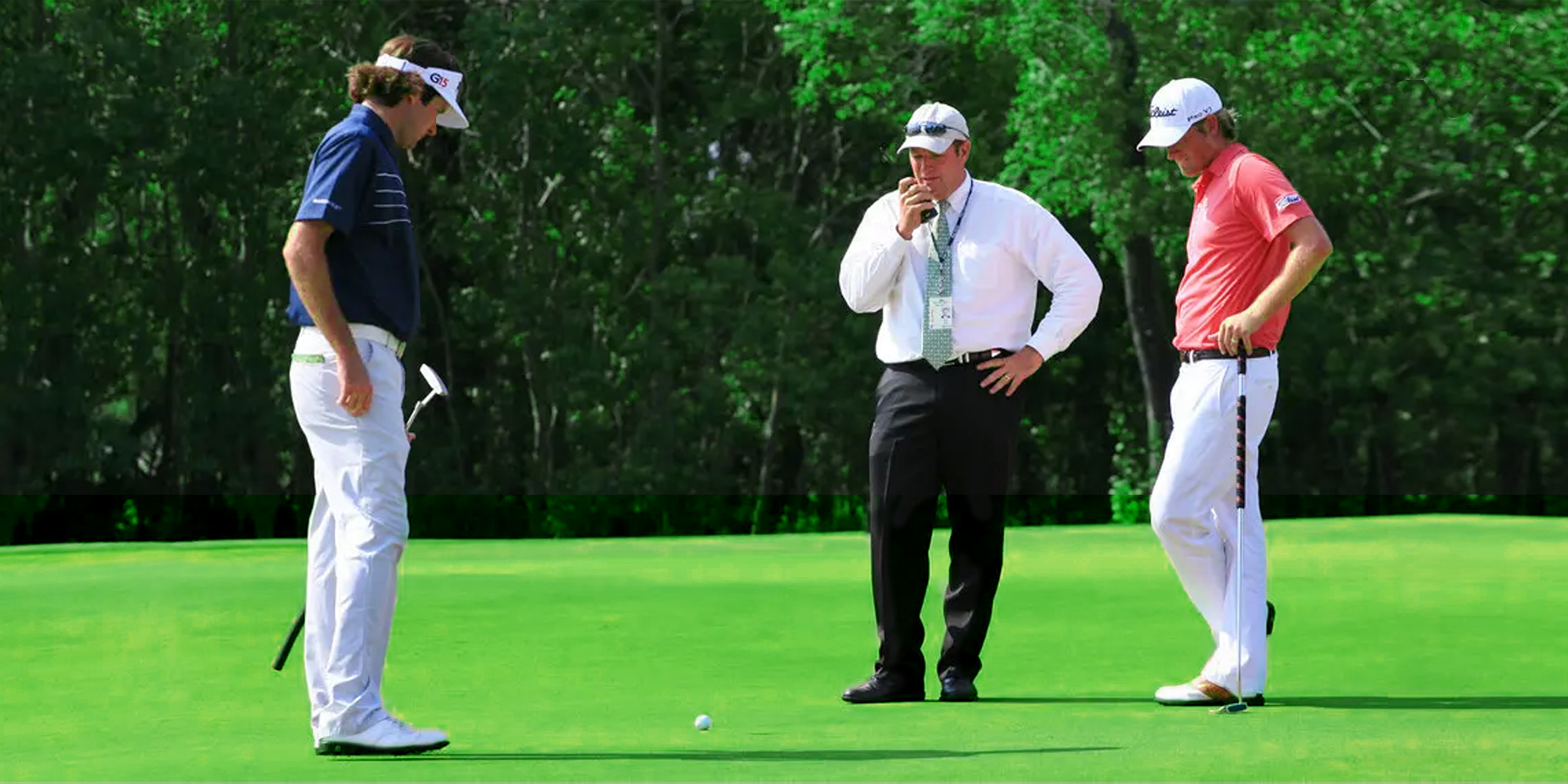
There are at least twenty professional golf tours, each run by a PGA or an independent tour organization, which is responsible for arranging events, finding sponsors, and regulating the tour. Typically a tour has "members" who are entitled to compete in most of its events, and also invites non-members to compete in some of them. Gaining membership of an elite tour is highly competitive, and most professional golfers never achieve it.
Perhaps the most widely known tour is the PGA Tour, which tends to attract the strongest fields, outside the four Majors and the four World Golf Championships events. This is due mostly to the fact that most PGA Tour events have a first prize of at least 800,000 USD. The European Tour, which attracts a substantial number of top golfers from outside North America, ranks second to the PGA Tour in worldwide prestige. Some top professionals from outside North America play enough tournaments to maintain membership on both the PGA Tour and European Tour. Since 2010, both tours' money titles have been claimed by the same individual three times, with Luke Donald doing so in 2011 and Rory McIlroy in 2012 and 2014. In 2013, Henrik Stenson won the FedEx Cup points race on the PGA Tour and the European Tour money title, but did not top the PGA Tour money list (that honour going to Tiger Woods).
The other leading men's tours include the Japan Golf Tour, the Asian Tour (Asia outside Japan), the PGA Tour of Australasia, and the Sunshine Tour (for southern Africa, primarily South Africa). The Japan, Australasian, Sunshine, PGA, and European Tours are the charter members of the trade body of the world's main tours, the International Federation of PGA Tours, founded in 1996. The Asian Tour became a full member in 1999. The Canadian Tour became an associate member of the Federation in 2000, and the Tour de las Américas (Latin America) became an associate member of the Federation in 2007. The Federation underwent a major expansion in 2009 that saw eleven new tours become full members – the Canadian Tour, Tour de las Américas, China Golf Association, the Korea Professional Golfers' Association, Professional Golf Tour of India, and the operators of all six major women's tours worldwide. The OneAsia Tour, founded in 2009, is not a member of the Federation, but was founded as a joint venture of the Australasia, China, Japan, and Korean tours. In 2011, the Tour de las Américas was effectively taken over by the PGA Tour, and in 2012 was folded into the new PGA Tour Latinoamérica. Also in 2012, the Canadian Tour was renamed PGA Tour Canada after it agreed to be taken over by the PGA Tour. All men's tours that are Federation members, except the India tour, offer points in the Official World Golf Ranking (OWGR) to players who place sufficiently high in their events. The OneAsia Tour also offers ranking points.
Golf is unique in having lucrative competition for older players. There are several senior tours for men aged fifty and over, arguably the best known of which is the U.S.-based PGA Tour Champions.
There are six principal tours for women, each based in a different country or continent. The most prestigious of these is the United States-based LPGA Tour. All of the principal tours offer points in the Women's World Golf Rankings for high finishers in their events.
All of the leading professional tours for under-50 players have an official developmental tour, in which the leading players at the end of the season will earn a tour card on the main tour for the following season. Examples include the Web.com Tour, which feeds to the PGA Tour, and the Challenge Tour, which is the developmental tour of the European Tour. The Web.com and Challenge Tours also offer OWGR points.
Men's Major Championship
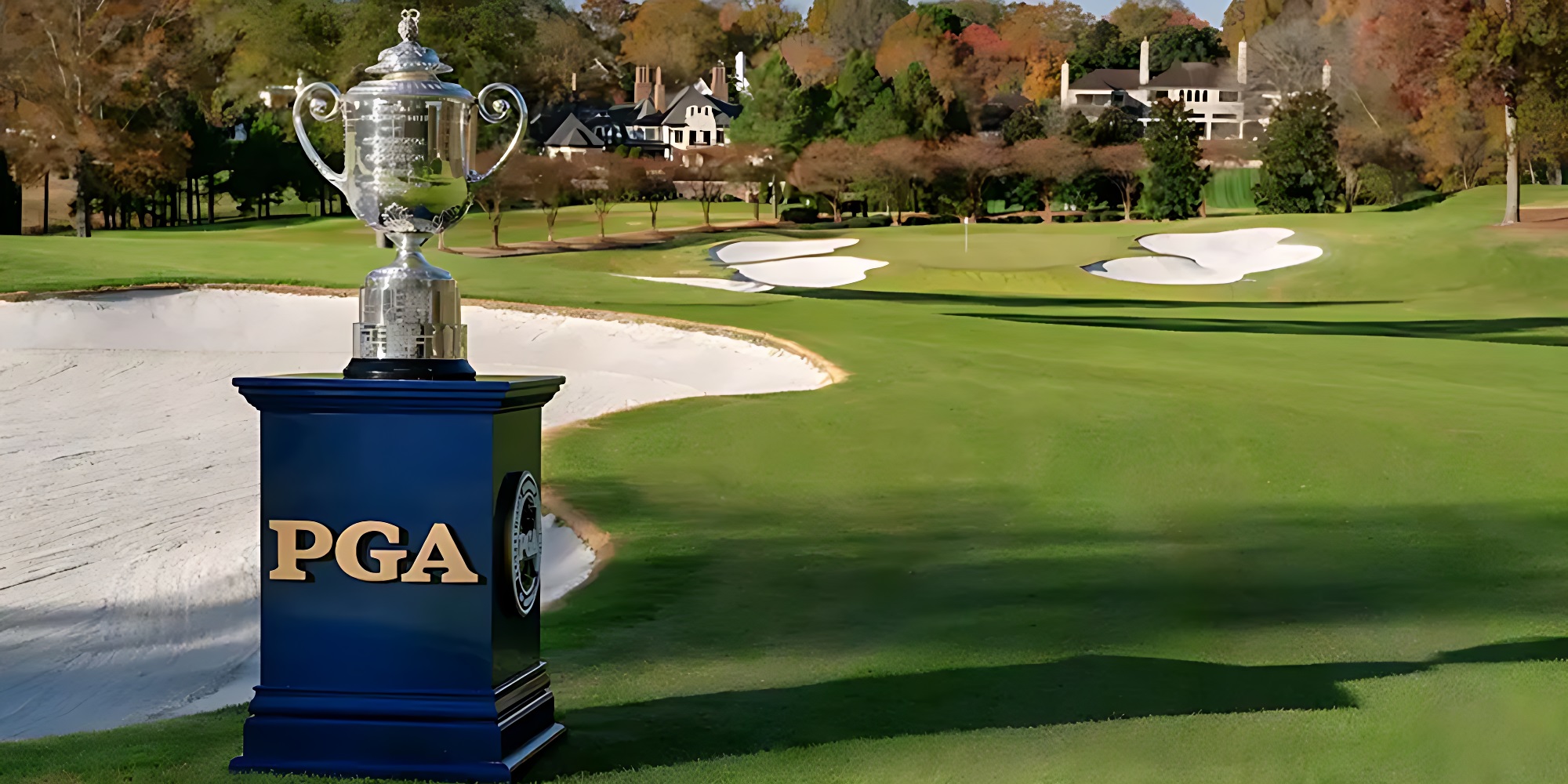
The major championships are the four most prestigious men's tournaments of the year. In chronological order they are: The Masters, the U.S. Open, The Open Championship (referred to in North America as the British Open) and the PGA Championship.
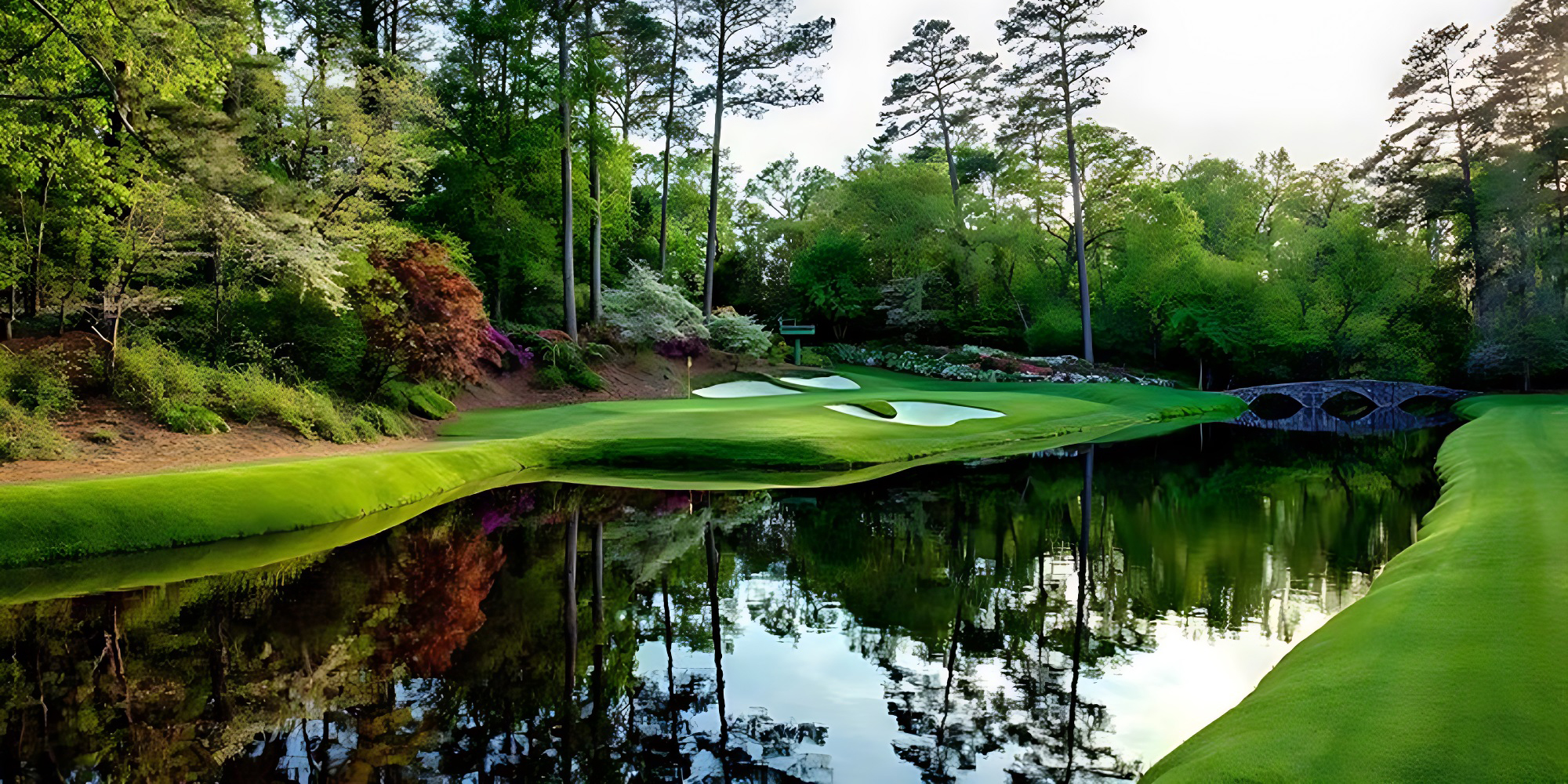
The fields for these events include the top several dozen golfers from all over the world. The Masters has been played at Augusta National Golf Club in Augusta, Georgia, since its inception in 1934. It is the only major championship that is played at the same course each year. The U.S. Open and PGA Championship are played at courses around the United States, while the Open Championship is played at courses around the United Kingdom.
Prior to the advent of the PGA Championship and The Masters, the four Majors were the U.S. Open, the U.S. Amateur, the Open Championship, and the British Amateur.
Women's Major Championship
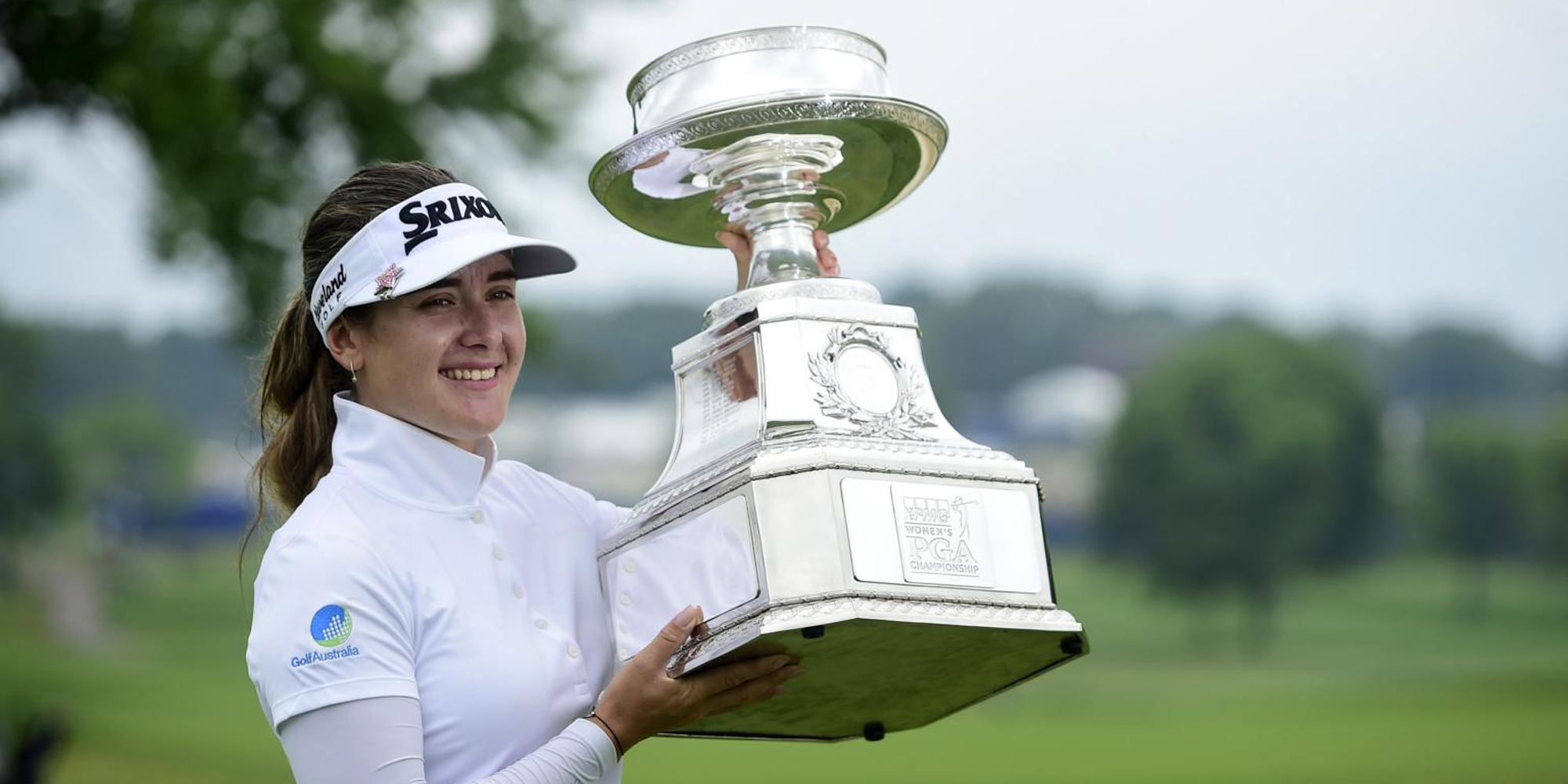
Women's golf does not have a globally agreed set of majors. The list of majors recognised by the dominant women's tour, the LPGA Tour in the U.S., has changed several times over the years, with the most recent changes occurring in 2001 and 2013. Like the PGA Tour, the (U.S.) LPGA[tour long had four majors, but now has five: the ANA Inspiration (previously known by several other names, most recently the Kraft Nabisco Championship), the Women's PGA Championship (previously known as the LPGA Championship), the U.S. Women's Open, the Women's British Open (which replaced the du Maurier Classic as a major in 2001) and The Evian Championship (added as the fifth major in 2013). Only the last two are also recognised as majors by the Ladies European Tour. However, the significance of this is limited, as the LPGA is far more dominant in women's golf than the PGA Tour is in mainstream men's golf. For example, the BBC has been known to use the U.S. definition of "women's majors" without qualifying it. Also, the Ladies' Golf Union, the governing body for women's golf in Great Britain and Ireland, stated on its official website that the Women's British Open was "the only Women's Major to be played outside the U.S." (this was before the elevation of The Evian Championship to major status).
For many years, the Ladies European Tour tacitly acknowledged the dominance of the LPGA Tour by not scheduling any of its own events to conflict with the three LPGA majors played in the U.S., but that changed beginning in 2008, when the LET scheduled an event opposite the LPGA Championship. The second-richest women's tour, the LPGA of Japan Tour, does not recognise any of the U.S. LPGA or European majors as it has its own set of majors (historically three, since 2008 four). However, these events attract little notice outside Japan.
Senior Major Championship
Senior (aged fifty and over) men's golf does not have a globally agreed set of majors. The list of senior majors on the U.S.-based PGA Tour Champions has changed over the years, but always by expansion. PGA Tour Champions now recognises five majors: the Senior PGA Championship, The Tradition, the Senior Players Championship, the United States Senior Open, and The Senior (British) Open Championship.
Of the five events, the Senior PGA is by far the oldest, having been founded in 1937. The other events all date from the 1980s, when senior golf became a commercial success as the first golf stars of the television era, such as Arnold Palmer and Gary Player, reached the relevant age. The Senior Open Championship was not recognised as a major by PGA Tour Champions until 2003. The European Senior Tour recognises only the Senior PGA and the two Senior Opens as majors. However, PGA Tour Champions is arguably more dominant in global senior golf than the U.S. LPGA is in global women's golf.
Olympic Games
After a 112-year absence from the Olympic Games, golf returned for the 2016 Rio Games.41 different countries were represented by 120 athletes.
Learn More
Instruction
Golf instruction involves the teaching and learning of the game of golf. Proficiency in teaching golf instruction requires not only technical and physical ability but also knowledge of the rules and etiquette of the game. In some countries, golf instruction is best performed by teachers certified by the Professional Golfers Association. Some top instructors who work with professional golfers have become quite well known in their own right. Professional golf instructors can use physical conditioning, mental visualization, classroom sessions, club fitting, driving range instruction, on-course play under real conditions, and review of videotaped swings in slow motion to teach golf to prepare the golfer for the course.Golf Tours
There are at least twenty professional golf tours, each run by a PGA or an independent tour organization, which is responsible for arranging events, finding sponsors, and regulating the tour. Typically a tour has "members" who are entitled to compete in most of its events, and also invites non-members to compete in some of them. Gaining membership of an elite tour is highly competitive, and most professional golfers never achieve it.Perhaps the most widely known tour is the PGA Tour, which tends to attract the strongest fields, outside the four Majors and the four World Golf Championships events. This is due mostly to the fact that most PGA Tour events have a first prize of at least 800,000 USD. The European Tour, which attracts a substantial number of top golfers from outside North America, ranks second to the PGA Tour in worldwide prestige. Some top professionals from outside North America play enough tournaments to maintain membership on both the PGA Tour and European Tour. Since 2010, both tours' money titles have been claimed by the same individual three times, with Luke Donald doing so in 2011 and Rory McIlroy in 2012 and 2014. In 2013, Henrik Stenson won the FedEx Cup points race on the PGA Tour and the European Tour money title, but did not top the PGA Tour money list (that honour going to Tiger Woods).
The other leading men's tours include the Japan Golf Tour, the Asian Tour (Asia outside Japan), the PGA Tour of Australasia, and the Sunshine Tour (for southern Africa, primarily South Africa). The Japan, Australasian, Sunshine, PGA, and European Tours are the charter members of the trade body of the world's main tours, the International Federation of PGA Tours, founded in 1996. The Asian Tour became a full member in 1999. The Canadian Tour became an associate member of the Federation in 2000, and the Tour de las Américas (Latin America) became an associate member of the Federation in 2007. The Federation underwent a major expansion in 2009 that saw eleven new tours become full members – the Canadian Tour, Tour de las Américas, China Golf Association, the Korea Professional Golfers' Association, Professional Golf Tour of India, and the operators of all six major women's tours worldwide. The OneAsia Tour, founded in 2009, is not a member of the Federation, but was founded as a joint venture of the Australasia, China, Japan, and Korean tours. In 2011, the Tour de las Américas was effectively taken over by the PGA Tour, and in 2012 was folded into the new PGA Tour Latinoamérica. Also in 2012, the Canadian Tour was renamed PGA Tour Canada after it agreed to be taken over by the PGA Tour. All men's tours that are Federation members, except the India tour, offer points in the Official World Golf Ranking (OWGR) to players who place sufficiently high in their events. The OneAsia Tour also offers ranking points.
Golf is unique in having lucrative competition for older players. There are several senior tours for men aged fifty and over, arguably the best known of which is the U.S.-based PGA Tour Champions.
There are six principal tours for women, each based in a different country or continent. The most prestigious of these is the United States-based LPGA Tour. All of the principal tours offer points in the Women's World Golf Rankings for high finishers in their events.
All of the leading professional tours for under-50 players have an official developmental tour, in which the leading players at the end of the season will earn a tour card on the main tour for the following season. Examples include the Web.com Tour, which feeds to the PGA Tour, and the Challenge Tour, which is the developmental tour of the European Tour. The Web.com and Challenge Tours also offer OWGR points.
Men's Major Championship
The major championships are the four most prestigious men's tournaments of the year. In chronological order they are: The Masters, the U.S. Open, The Open Championship (referred to in North America as the British Open) and the PGA Championship.The fields for these events include the top several dozen golfers from all over the world. The Masters has been played at Augusta National Golf Club in Augusta, Georgia, since its inception in 1934. It is the only major championship that is played at the same course each year. The U.S. Open and PGA Championship are played at courses around the United States, while the Open Championship is played at courses around the United Kingdom.
Prior to the advent of the PGA Championship and The Masters, the four Majors were the U.S. Open, the U.S. Amateur, the Open Championship, and the British Amateur.
Women's Major Championship
Women's golf does not have a globally agreed set of majors. The list of majors recognised by the dominant women's tour, the LPGA Tour in the U.S., has changed several times over the years, with the most recent changes occurring in 2001 and 2013. Like the PGA Tour, the (U.S.) LPGA[tour long had four majors, but now has five: the ANA Inspiration (previously known by several other names, most recently the Kraft Nabisco Championship), the Women's PGA Championship (previously known as the LPGA Championship), the U.S. Women's Open, the Women's British Open (which replaced the du Maurier Classic as a major in 2001) and The Evian Championship (added as the fifth major in 2013). Only the last two are also recognised as majors by the Ladies European Tour. However, the significance of this is limited, as the LPGA is far more dominant in women's golf than the PGA Tour is in mainstream men's golf. For example, the BBC has been known to use the U.S. definition of "women's majors" without qualifying it. Also, the Ladies' Golf Union, the governing body for women's golf in Great Britain and Ireland, stated on its official website that the Women's British Open was "the only Women's Major to be played outside the U.S." (this was before the elevation of The Evian Championship to major status).For many years, the Ladies European Tour tacitly acknowledged the dominance of the LPGA Tour by not scheduling any of its own events to conflict with the three LPGA majors played in the U.S., but that changed beginning in 2008, when the LET scheduled an event opposite the LPGA Championship. The second-richest women's tour, the LPGA of Japan Tour, does not recognise any of the U.S. LPGA or European majors as it has its own set of majors (historically three, since 2008 four). However, these events attract little notice outside Japan.
Senior Major Championship
Senior (aged fifty and over) men's golf does not have a globally agreed set of majors. The list of senior majors on the U.S.-based PGA Tour Champions has changed over the years, but always by expansion. PGA Tour Champions now recognises five majors: the Senior PGA Championship, The Tradition, the Senior Players Championship, the United States Senior Open, and The Senior (British) Open Championship.Of the five events, the Senior PGA is by far the oldest, having been founded in 1937. The other events all date from the 1980s, when senior golf became a commercial success as the first golf stars of the television era, such as Arnold Palmer and Gary Player, reached the relevant age. The Senior Open Championship was not recognised as a major by PGA Tour Champions until 2003. The European Senior Tour recognises only the Senior PGA and the two Senior Opens as majors. However, PGA Tour Champions is arguably more dominant in global senior golf than the U.S. LPGA is in global women's golf.
Olympic Games
After a 112-year absence from the Olympic Games, golf returned for the 2016 Rio Games.41 different countries were represented by 120 athletes.Learn More



Georgia Reader Reply
Et rerum totam nisi. Molestiae vel quam dolorum vel voluptatem et et. Est ad aut sapiente quis molestiae est qui cum soluta. Vero aut rerum vel. Rerum quos laboriosam placeat ex qui. Sint qui facilis et.