


2 items, RM 698.069

Malaysia has turned heads by making bold EV policy moves, and the scene is quickly changing. Thanks to new incentives, high-end electric cars are starting to drop in price, sending a jolt through the luxury market. Buyers who once hesitated now see more options and value, but there’s a twist—these deals won’t last forever. As incentives begin to sunset after 2025, the next steps for EV lovers will get more complicated.
Get ready to see what these policy updates really mean for pricing, and why timing matters for anyone eyeing a luxury EV in Malaysia. Whether you’re searching for the latest models or comparing sleek imports with local builds, it pays to understand the unique hurdles that come after the government’s sweeteners run out.
Malaysia’s Electric Vehicle Push: Incentives and Policy Moves
Malaysia’s strong push into electric vehicles isn’t just hype. The country has rolled out smart policies and hefty incentives to attract both car buyers and manufacturers. If luxury EVs catch your eye, the current landscape is packed with perks—from tax breaks to promises of better infrastructure. Let’s break down exactly what’s on offer and why these moves matter, especially for those focused on premium brands.
Key Tax Breaks and Incentives for EV Buyers
Several financial incentives make EV ownership more tempting in Malaysia right now. Here’s what’s in play:
- Import and excise duty exemptions on fully imported (CBU) EVs are offered until the end of 2025. Imported luxury models from Europe or the US are now more accessible, as these exemptions cut prices that once kept high-end EVs in the “look, don’t touch” category.
- Locally assembled (CKD) EVs get even sweeter deals. The government has granted excise duty and sales tax exemptions on CKD models through December 2027. This move nudges carmakers to assemble their vehicles in Malaysia, so more brands are considering local launches of global flagships.
- Personal income tax reliefs help you save more. Individuals can claim up to RM2,500 a year until 2027 for expenses related to installing home EV charging equipment. This perk makes home charging more appealing, freeing up extra cash for your next weekend drive.
- Lower road tax for EVs. Owners get 100% road tax exemption, keeping yearly costs down for luxury EVs compared to traditional performance cars.
The Government’s Broad Vision: Driving Toward Leadership
These incentives aren’t scattered plans. They’re rooted in a bigger roadmap called the Low Carbon Mobility Blueprint (LCMB) 2021-2030. This master plan powers the nation’s EV shift by encouraging cleaner transportation and local industry growth.
- The LCMB guides policies that aim to reduce Malaysia's carbon footprint and oil dependence.
- Promotion of fully electric and plug-in hybrid models is central to the blueprint.
- Locally assembled EVs (CKD) are a priority, creating jobs and spurring industrial growth at home.
For those interested, the official LCMB summary from the Malaysian Green Technology and Climate Change Corporation gives more detail on these plans.
Charging Infrastructure: Building a Real EV Ecosystem
Luxury car fans expect more than tax deals—they want a driving experience as easy as any high-end petrol model. Recognizing this, Malaysia’s government is pushing to install 10,000 public EV charging points by the end of 2025.
Here’s how the plan shapes up:
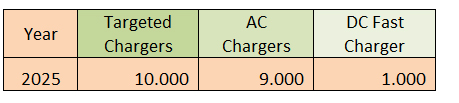
- The mix includes regular AC units and speedy DC chargers for those who want their cars charged in a flash.
- Tax incentives help encourage installation of personal home chargers, so you can plug in without leaving your driveway.
The Big Picture for Luxury EV Buyers
If you’re considering a luxury EV, the current window is especially inviting. Models that once seemed out of reach—think BMW, Mercedes-Benz, Porsche, and Tesla—now enter the conversation with more favorable price tags thanks to these tax breaks. Add in better charging infrastructure and home charging reliefs, and you have a setup where jumping into an EV feels not just smarter for your wallet, but smoother for your daily life.
In short, Malaysia’s policy moves do more than just lower sticker prices—they signal a long-term shift to make electric cars, especially high-end ones, a natural choice for local buyers. But with some perks ending soon, knowing the policy details keeps you a step ahead.
Lower Prices, New Players: How Incentives Shape the Market
Malaysia's EV market used to be out of reach for many, but with the latest incentives, the doors have swung wide open—even for luxury seekers. Not too long ago, the sticker shock on premium EVs was a deal breaker. But steep cuts in taxes and duties have brought once-exclusive models into a far more friendly price range. At the same time, new brands and fresh tech are rolling in, turning the local scene into one of the hottest in Southeast Asia.
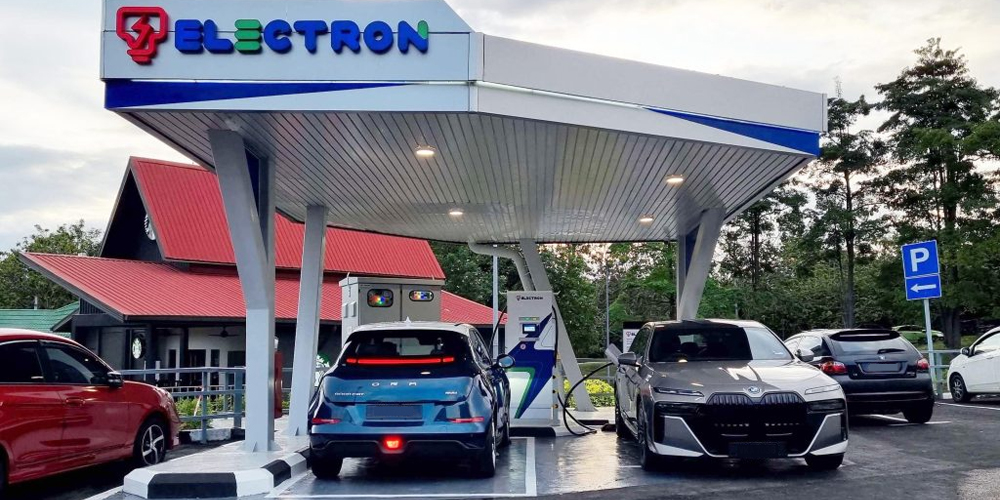
Photo by AITO.com
What Happens When Incentives End?
The clock is ticking for current incentives, especially for completely built-up (CBU) imported electric vehicles. After 2025, Malaysia will phase out the import tax exemptions for these fully imported cars. This means brands that relied on these exemptions (think big names like Tesla, BMW, and Porsche) could face much higher costs at the border. Once these taxes return, expect showroom prices to rise. The days of massive discounts on high-end EVs are numbered.
Here’s how this will shake up the market:
- Final vehicle prices will likely go up, especially for luxury CBU EVs.
- Locally assembled (CKD) models get a longer runway with duty exemptions running through 2027. Brands able to move local assembly faster could shield buyers from those looming price hikes.
- More competition among brands: As incentives end, companies scramble to keep their EVs appealing. Watch for special deals, free service packages (like the new 8-year deal for BYD’s Atto 3 Ultra), or strategic partnerships between tech giants and carmakers.
- Is buying now the smarter move? If you’re eyeing a luxury EV, early adopters are already saving big. For instance, the 2025 BYD Atto 3 Ultra just launched at RM123,800—about RM26,000 less than last year and a jaw-dropping RM44,000 less than its 2023 price. Perks like 8 years of free service and industry-leading safety features make this a sweet spot in the market.
Let’s see how these recent price drops stack up:
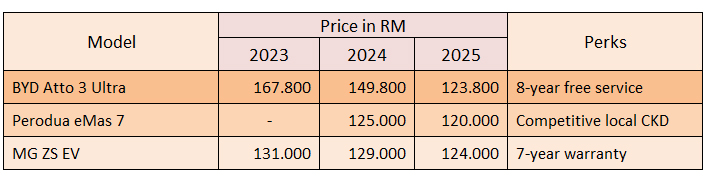
Prices rounded; perks are for reference only.
Thanks to these incentives, even luxury and well-equipped EVs are now snuggling up against the RM150,000 mark. Suddenly, you can shop brands like BYD, MG, Honda, and Perodua without stretching your budget thin.
Local players are getting in on the game, too. Expect even more wallet-friendly EVs coming soon from major Malaysian manufacturers. With a flood of new models, carmakers are battling for your attention and your cash. It all leads to better value, bonus features, and new levels of tech.
Charging at public stations is also more practical than ever, with Malaysia closing in on 10,000 chargers by year’s end. This improved infrastructure helps make your switch from petrol to electric smooth—and gives buyers another reason to get in before prices shift.
The bottom line? Right now, the market is buzzing. New models are driving prices lower while competition heats up. If your dream is a sleek luxury EV, this could be your best window—before the incentives run dry and prices bounce back.
The Real-World Challenge: Life with a Luxury EV After Discounts
Bringing home a luxury EV in Malaysia sounds like a dream, especially after scoring it at a post-incentive price. But driving one every day is a different story. While the incentives have opened doors, real-life use quickly reveals the hurdles that still exist, even for owners of top-tier cars. It’s not just about the sticker price—the bigger challenges show up after you take the keys, from charging stress to planning longer trips.
Finding Chargers: City Comfort, Rural Gaps
Owning a luxury EV in the city feels great. Urban areas like Kuala Lumpur and Penang now have more chargers than ever, including new DC fast chargers that can fill your battery in about half an hour. For daily commutes, school runs, and weekends out in town, charging is easier than ever.
But leave the city, and the picture changes:
- Charging points start to thin out once you drive beyond city limits.
- Many rural areas, as well as smaller towns and highways outside the KL-Penang corridor, still have limited coverage.
- Planning a weekend trip up north or a business meeting down south requires double-checking charger maps and, sometimes, waiting your turn at the only available fast charger for miles.
The government’s push toward 10,000 public chargers by 2025 signals progress, with more than 4,100 already online in 2024. Still, the uneven network makes daily use smoother in the city and adds a layer of planning for longer trips.
Range Anxiety: Still Part of the Conversation
Early adopters of luxury EVs often talk about “range anxiety”—the nagging worry that you might run out of charge, far from home or a fast charger. Even as battery technology has improved, and new models boast 400-600 km of range, this stress hasn’t vanished.
Why does it stick around?
- Not all advertised ranges reflect Malaysia’s hot, humid climate and busy highways, which can drain batteries faster.
- Fast chargers are growing in number, but in high-traffic times, finding an available station isn’t always a sure thing.
- Last-minute changes in plans, road closures, or long detours make a single charge less reliable.
For city drivers, a home charger or overnight plug at the condo is enough. For those who love road trips, frequent business travel, or have family outside the major cities, this is still a real factor when weighing whether the luxury EV is truly as convenient as a petrol rival.
Expectation vs. Reality: Living with a High-End EV
Buying a premium electric car comes with high expectations. Owners look for comfort, performance, and a frictionless experience—no matter where they go or how much they paid for the car. In practice, while Malaysia has invested heavily in charging points and policies, the network can lag behind the standards set by the vehicles themselves.
Owners face these real challenges:
- Public charging stations are sometimes busiest right when you need them, especially during holidays or at popular malls.
- Not all charging stations are compatible with every luxury EV brand, sometimes causing confusion for new owners.
- Long-term costs—like battery care or out-of-warranty repairs—are still unknowns for many new EV adopters.
On the bright side, the government and private partners are rolling out more DC fast chargers on key highways, and new rapid-charge tech in luxury models helps reduce downtime. Car makers are also pushing for better support, with some offering dedicated helplines for EV buyers.
As Malaysia races toward 10,000 charging points by 2025, the day-to-day experience is improving. But anyone considering a luxury EV should factor in how these real-life roadblocks fit their style and needs, no matter how good the deal looks up front.
Conclusion
Malaysia is rolling out impressive support that makes luxury EVs more tempting than ever. Right now, those sweet tax breaks and rebates are helping buyers get into high-end electric cars for less, and the charging network keeps getting better. But things will shift soon—the biggest perks for imported models end after 2025, and prices could rise once those vanish. If you have your eye on a luxury EV, this might be the ideal window before costs creep up and the deals fade.
It's worth paying attention to how charging stations and service support keep growing in the next few years. If you value a premium drive and want to enjoy all the extras, now is the moment to weigh your options and act fast. Malaysia’s EV wave is only picking up speed, and it’s a good time to be part of it.
Thanks for reading—if you love great cars, keep sharing your experiences and watch how Malaysia’s EV adventure unfolds.
Comments
Leave A reply
Your email address will not be published. Required fields are marked *


DWR–
Malaysia has made big strides in promoting electric vehicles (EVs). Generous government incentives — including road tax exemptions, import duty cuts, and EV charging subsidies — have boosted adoption. But as deadlines for some of these benefits approach, questions arise: will EVs remain attractive once the incentives end?Key Trends & Data
What This Means for Buyers & Importers?
Infrastructure Matters
The government aims to install 10,000 charging stations nationwide by 2025. Currently, only a third of this goal has been met. Limited charging infrastructure — especially fast chargers — remains a major hurdle for wider adoption.Price Pressures
Strategic Moves for Dealers
Conclusion
Malaysia’s EV momentum is strong, but the road ahead depends on how well dealers, importers, and buyers adapt to the end of incentives. For companies like Fatima Corporation Sdn Bhd, success will come from offering transparency, trusted service, and clear value beyond just the price tag. Greetings, as always!George Smith –
I couldn't agree more with you, Sir!