


2 items, RM 698.069
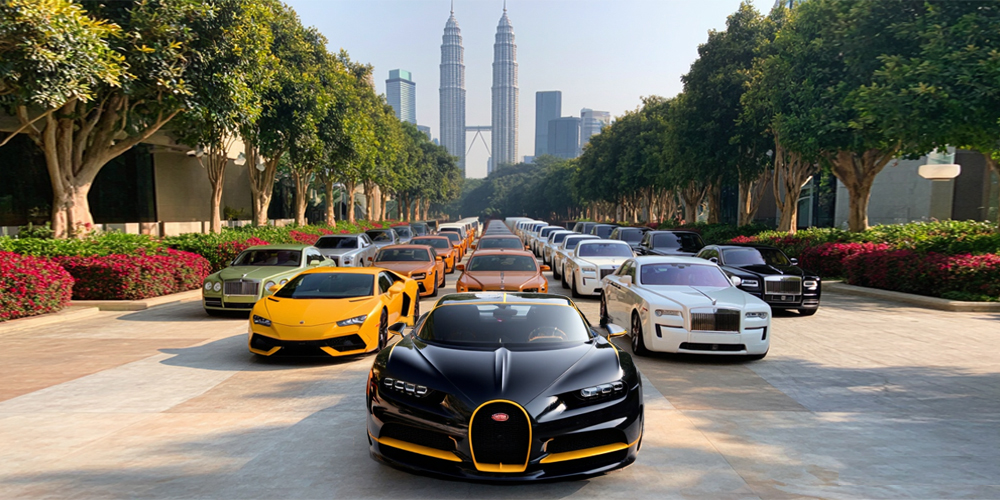
Malaysia's luxury car scene looks a whole lot different in 2025. Wealthy buyers keep pouring in, but it's no longer just about showing off with a Mercedes emblem. Tech lovers are just as hooked as car enthusiasts, with top brands bringing out smarter, faster, and greener cars. High incomes and a stable economy are pushing sales up, while buyers split into groups that each want something special. Some want their cars whisper-quiet and eco-friendly. Others want exclusive seats, big power, or the smoothest ride in town. The market is growing fast, and big shifts in technology and style are spicing things up.
Buyers now care about more than just speed or looks. Digital features, sleek interiors, and even green credentials all matter. This isn’t hype—it’s changing how people see luxury cars in Malaysia.
Revenue Growth and Market Segmentation
In 2025, luxury car sales in Malaysia are shooting up. Industry analysts see a year-on-year revenue growth of around 10 to 15 percent. The mix of strong economic growth and more high-income Malaysians means booming demand. Luxury doesn't look the same for every buyer, though.
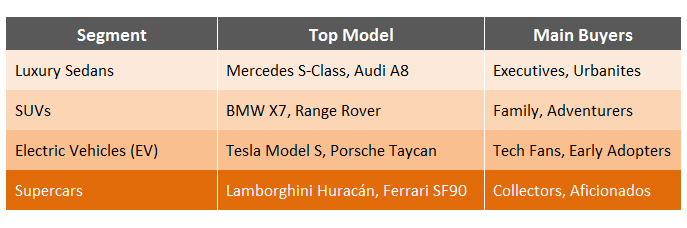
Families line up for big, plush SUVs like the BMW X7 or Range Rover. Executive types prefer sharp sedans like the Mercedes S-Class or Audi A8 for their comfort and classic appeal. Tech-focused shoppers love electric vehicles like Tesla's Model S or Porsche Taycan, drawn by instant torque and silent drives. Supercar fans won’t settle for less than a Ferrari SF90 or a Lamborghini Huracán, chasing speed and flash like always.
Here’s a quick look at who’s buying what:
Luxury Sedans and SUVs
Sedans such as the Audi A8 continue as top picks, especially for their smooth rides and luxury finishes. High-profile professionals like the quiet comfort, while business owners appreciate the status. SUVs like the Range Rover rule among families and those needing room to stretch. They love the high stance, big cabins, and rugged looks that fit city and weekend life. Both groups keep solid market shares thanks to Malaysia's growing urban lifestyle.
Electric Vehicles and Supercars
Electric models like the Porsche Taycan and Tesla Model S pull in tech enthusiasts and green buyers. Government incentives for EVs make these cars more tempting than ever. Meanwhile, supercars like the Ferrari SF90 and Lamborghini Huracán catch the eye of buyers looking for rare speed and exclusivity. These two slices of the market show just how varied luxury tastes in Malaysia have become.
Key Trends: Performance, Tech, and Green Shifts
Power and comfort stay at the heart of luxury cars. Today's buyers also want digital tools and greener performance. Brands like Lexus and Mercedes fill cabins with smart features while cutting emissions with electric drivetrains. Plush interiors, top safety aids, and new battery tech roll out across the lineup, mixing excitement with peace of mind.
Performance and Luxury Features
Cars in this class stick to their roots with strong engines and lavish interiors. The Mercedes S-Class impresses with soft leather, massaging seats, and a buttery ride. The BMW X7 packs a punch, blending V8 power with cabin quiet that rivals a library. Buyers crave power and comfort, and brands deliver on both.
Digital Tools and Automation
Drivers expect smart tech everywhere now. Infotainment systems with phone integration make road trips more fun. Self-driving aids, like adaptive cruise and lane assist, add safety to busy commutes. For 2025, cars like the Lexus LS and Tesla Model S bring these tech treats standard, making driving easier and safer across Malaysia.
Sustainability Efforts
Luxury goes green in Malaysia. Buyers switch to electric and hybrid models, attracted by better batteries and quick charging. Brands step up with eco-friendly materials and supercars that keep emissions low. The Porsche Taycan blends green power with classic style. It's no surprise that more Malaysians look for luxury and guilt-free driving at the same time.
Competition, Customization, and Future Outlook
Outside brands keep flooding in, making the market hotter than ever. Mercedes and BMW compete with new models, while local brands look for ways to stand out. Customization is hotter in 2025, with drivers picking unique interiors, tech upgrades, and wilder paint colors. The focus on performance, tech, and sustainability pushes the whole competition up a notch.
Rising Competition
Big names like Mercedes, BMW, Lexus, and Porsche constantly release new options. Local dealers mix in promo deals and service perks to keep buyers loyal. Each launch brings more features at sharper prices, so buyers have more choices than ever.
Personal Touches for Buyers
These days, buyers take pride in making their cars stand out. From custom leathers in sedans to exclusive paint jobs on supercars, the options seem endless. Even EV owners add smart tech or dashboard tweaks to stand apart.
Conclusion
Malaysia’s luxury car market in 2025 is lively, stylish, and forever changing. Growth keeps rising fast, green tech matters, and everyone wants a car that suits their life. Whether you’re craving silent EV power or a custom Range Rover, the options are bold and exciting. It’s the best time to dream big and see where luxury on wheels might take you next.
Comments
Leave A reply
Your email address will not be published. Required fields are marked *

DWR –
As a luxury car importer and dealer in Malaysia, I recognize the evolving landscape of our market in 2025. The increasing demand for electric and hybrid luxury vehicles aligns with our strategic focus on sustainable mobility. However, the introduction of a 5%-10% tax on luxury goods, including certain automobiles, as part of Malaysia's 2024 budget, may influence consumer purchasing decisions.
To navigate these changes, we are enhancing our offerings with value-added services, including personalized customization options and comprehensive after-sales support. Our goal is to provide an exceptional ownership experience that justifies the investment in premium vehicles.
DWR –
Furthermore, we are expanding our portfolio to include a broader range of electric and hybrid models, anticipating the growing consumer interest in eco-friendly alternatives. By staying ahead of market trends and regulatory developments, we aim to maintain our competitive edge and continue delivering excellence to our clientele.
Additionally, we are closely monitoring the potential impact of the revised excise duty calculations set to take effect in 2026, which could elevate vehicle prices by 10-30%. This underscores the importance of strategic pricing and inventory management to remain competitive in the luxury segment.
In summary, while challenges persist, we remain committed to adapting our strategies to meet the evolving demands of the Malaysian luxury car market, ensuring sustained growth and customer satisfaction.